Proof of delivery

Outcomes, not promises.

Representative engagements across our advisory, EPC, transmission and capital desks — the challenge we walked into, how we worked it, and what it delivered.

MSRTC Asset Monetisation — Lonavala Bus Station Redevelopment (PPP)Asset Monetisation / PPP

Asset Monetisation, PPP & Transaction Advisory

MSRTC Asset Monetisation — Lonavala Bus Station Redevelopment (PPP)

DBFTL · 49+49 yr

Concession structure

₹98 Cr

Project cost assessed

Cleared for tender

Verdict

The challenge

MSRTC is evaluating a portfolio of 200+ bus depots and bus stations across Maharashtra for monetisation. For the Lonavala bus station — a prime 7,200 sq mtr hill-station site — the corporation needed an independent answer to one question: can the asset fund its own world-class redevelopment while generating long-term value, without burdening the exchequer?

Our approach

We ran a detailed feasibility across technical configuration, market demand and transaction structure — testing a Design-Build-Finance-Transfer-Lease (DBFTL) concession where the private partner rebuilds the bus station and develops a hospitality asset on the surplus parcel. A full financial model (construction, revenues, operating costs, financing, returns and sensitivities) benchmarked concessionaire returns against bankability floors and quantified the value flowing back to MSRTC.

The redevelopment was established as financially feasible — projected returns cleared both project and equity bankability thresholds — and the site was recommended for competitive tendering under the proposed configuration, with revenue-escalation assumptions flagged as the key sensitivity for bidders and the authority alike.

Share on LinkedIn
MSRTC Asset Monetisation — Talegaon Bus Station: Structuring Before TenderingAsset Monetisation / PPP

Asset Monetisation, PPP & Transaction Advisory

MSRTC Asset Monetisation — Talegaon Bus Station: Structuring Before Tendering

3 options

PPP structures tested

DBFTL · 49+49 yr

Concession model

Restructure first

Verdict

The challenge

As part of the same 200+ depot monetisation programme, MSRTC needed to know whether the Talegaon bus station parcel could be redeveloped commercially under a DBFTL concession — or whether tendering it as-is would invite failed bids and stranded obligations.

Our approach

We assessed site potential and local market absorption, structured and stress-tested three alternative concession configurations, and built the full financial model — project cost, financing, revenue forecasts, IRR/NPV, sensitivity and breakeven analysis — to test each option against minimum bankability floors.

The analysis showed a structural mismatch between mandatory bus-station capex and the commercial space the local market can absorb — none of the options cleared return floors. We advised MSRTC not to tender the site as a standalone concession, and laid out three actionable paths: defer and re-test as absorption improves, procure the station as works and tender the commercial component separately, or bundle Talegaon with stronger sites. Honest advisory that protected the authority from an unviable award.

Share on LinkedIn
120 MW / 480 MWh standalone BESS — from concept to bankabilityBESS · Advisory

RE & Storage Advisory

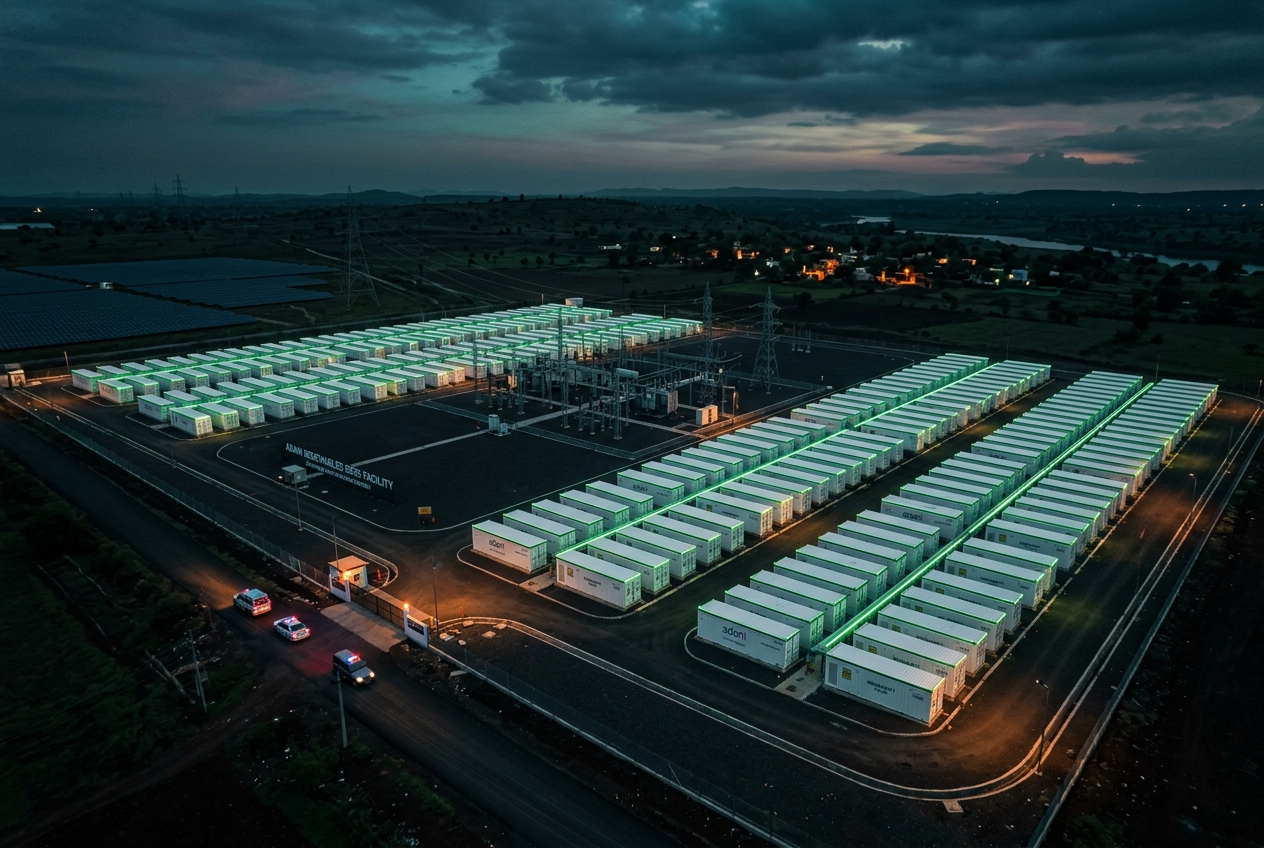
120 MW / 480 MWh standalone BESS — from concept to bankability

480 MWh

4-hr LFP system engineered

14%

CAPEX saved via value engineering

8 mo

Concept to financial close

The challenge

A developer had won a standalone BESS tender but lacked the cell-to-container engineering depth and lender-grade documentation to reach financial close within the SECI timeline.

Our approach

Our advisory desk delivered the complete detailed design — cell selection, PCS/EMS architecture, augmentation strategy and degradation modelling — alongside an independent-engineer-ready DPR and tariff stress tests for the lender syndicate.

The project reached financial close on schedule with a 14% CAPEX reduction against the initial EPC quote, and the design passed lender technical due diligence without a single major finding.

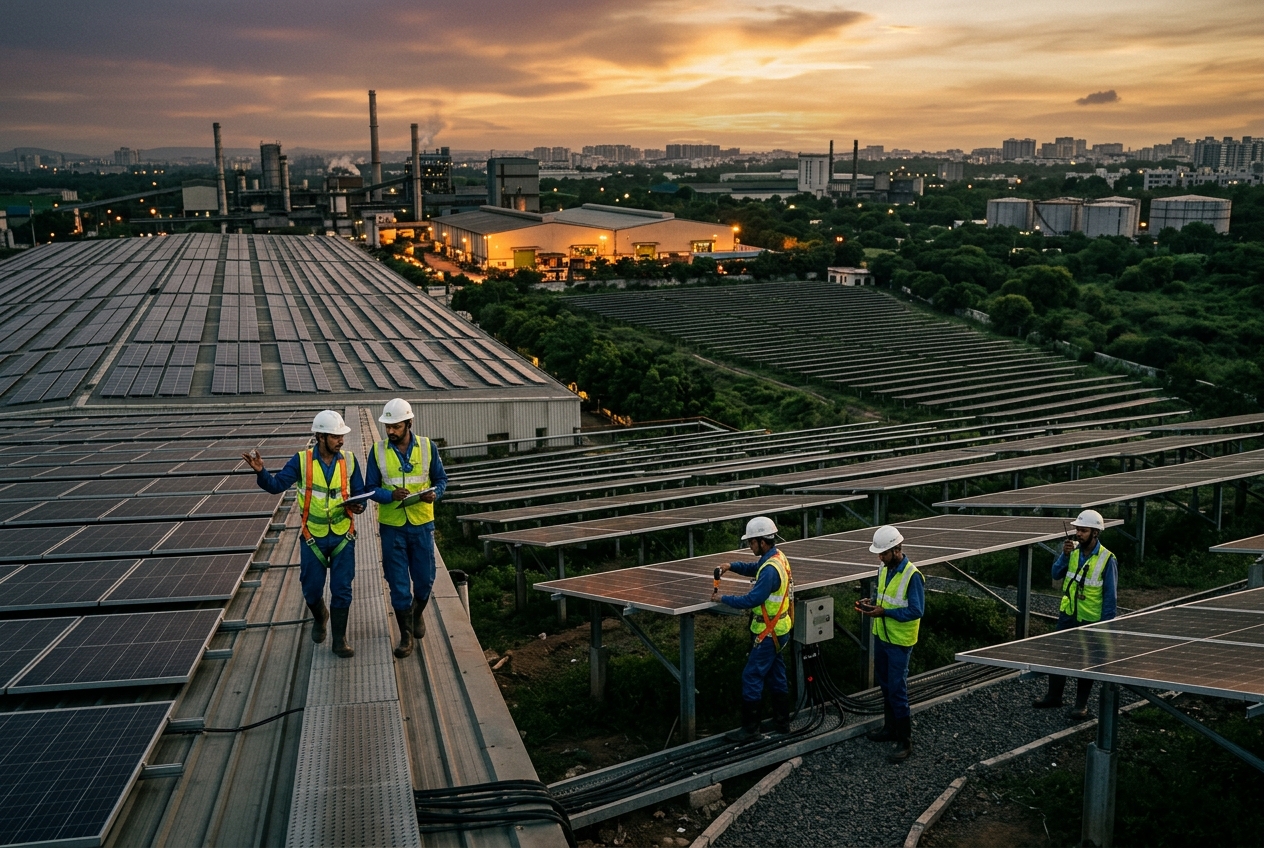
85 MWp solar + 40 MWh storage for a C&I industrial parkSolar + BESS · EPC

EPC

85 MWp solar + 40 MWh storage for a C&I industrial park

85 MWp

Hybrid plant delivered turnkey

31%

Cut in landed power cost

Zero

Lost-time incidents on site

The challenge

An industrial park consortium wanted to slash grid power costs but had fragmented rooftops, constrained land parcels and a hard commissioning deadline tied to open-access approvals.

Our approach

We executed turnkey EPC — layout optimisation across roof and ground parcels, BESS integration for evening-peak shaving, and a QA/QC and HSE regime enforced through weekly contractor scorecards.

Commissioned ahead of the open-access window with zero lost-time incidents, delivering a 31% reduction in the park's landed cost of power from day one.

220 kV substation & 60 km evacuation corridor for an RE clusterTransmission

Transmission Engineering

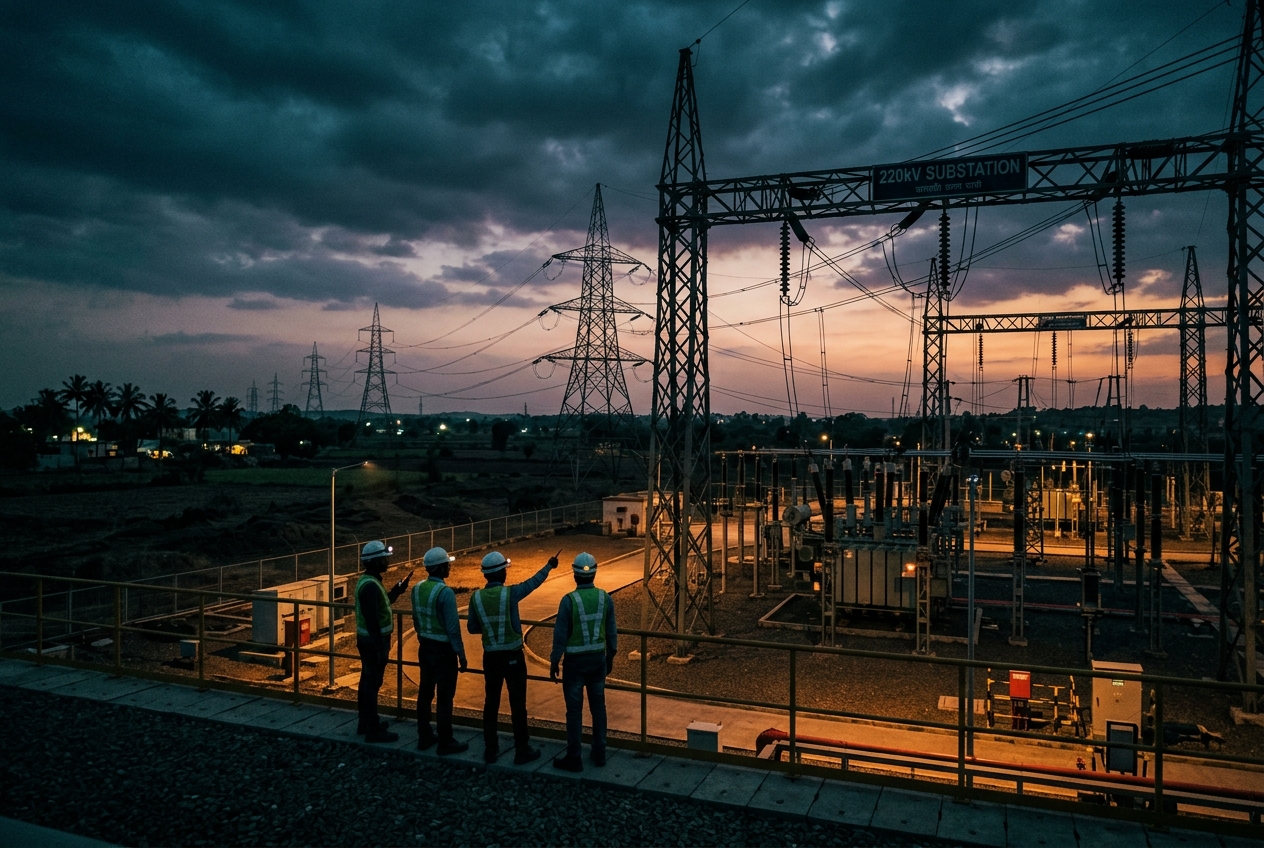
220 kV substation & 60 km evacuation corridor for an RE cluster

220 kV

GIS substation designed

60 km

Line route engineered

100%

First-pass CEA compliance

The challenge

A 600 MW renewable cluster risked stranded generation: the evacuation corridor crossed forest patches and two river beds, and grid-connectivity studies had stalled with the STU.

Our approach

Our transmission desk re-ran power system studies, redesigned the route with optimised tower spotting to minimise forest diversion, and engineered the 220 kV GIS substation with protection and SCADA schemes to CEA standards.

Connectivity approvals cleared on first submission, forest land requirement dropped by a third, and the corridor was charged in time for the cluster's commissioning.

₹1,200 Cr sustainable financing programme for a renewables platformGreen Financing

Green Financing

₹1,200 Cr sustainable financing programme for a renewables platform

₹1,200 Cr

Sustainable finance programme

2.1x

Facility oversubscription

SBTi

Aligned impact reporting

The challenge

A growing IPP needed cheaper, longer-tenor capital but had no green financing framework, no impact-quantification methodology and limited credibility with sustainability-focused investors.

Our approach

We authored a sustainability-linked financing framework aligned to international principles, built the MRV methodology for avoided-emissions reporting, and ran the second-party-opinion process end to end.

The debut facility closed 2.1x oversubscribed at a pricing advantage over the platform's existing debt, unlocking a repeatable programme for future tranches.

$250M debt syndication for a round-the-clock RE portfolioProject Finance

Debt Syndication

$250M debt syndication for a round-the-clock RE portfolio

$250M

Non-recourse debt closed

5

Lenders in the syndicate

18.2 yr

Door-to-door tenor secured

The challenge

An RTC portfolio blending solar, wind and storage had a complex cash-flow profile that standard lender models penalised, threatening the sponsor's target equity returns.

Our approach

Our syndication desk rebuilt the financial model around hourly dispatch simulations, prepared the information memorandum and data room, and negotiated structure and covenants across a five-lender syndicate.

Financial close at an 18.2-year door-to-door tenor with sculpted repayments matched to the dispatch profile — protecting sponsor IRR without additional credit support.

24/7 clean power contracting for a 30 MW data center campusData Centers

Data Centers & Energy Management

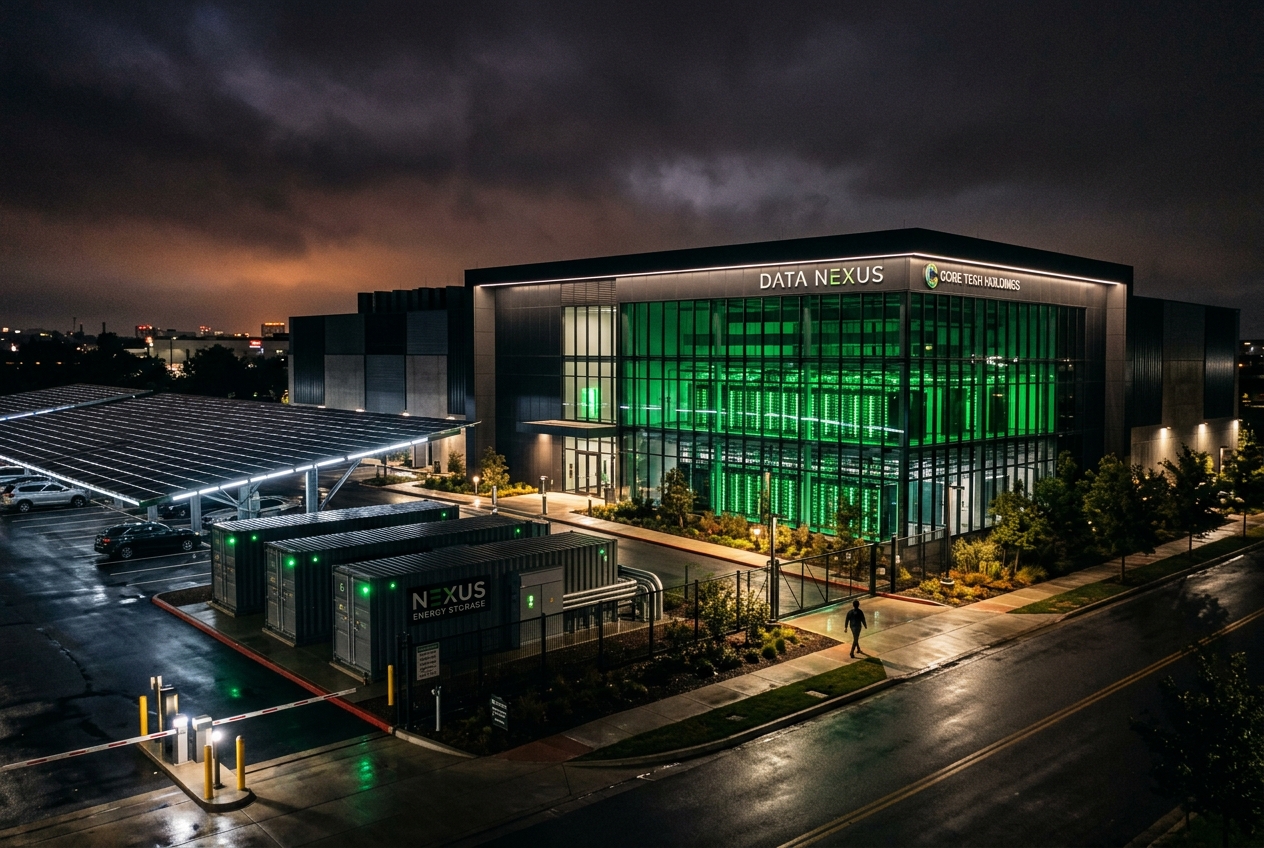
24/7 clean power contracting for a 30 MW data center campus

92%

Hourly carbon-free energy

30 MW

IT load contracted

₹38 Cr

Annual energy cost avoided

The challenge

A hyperscale-grade data center campus needed near-24/7 carbon-free power with strict reliability SLAs — beyond what a vanilla solar PPA could deliver.

Our approach

We structured a blended supply stack: hybrid RTC PPA, on-site BESS for ride-through and peak management, and an EMS-driven optimisation layer — negotiated across generators, discom and open-access approvals.

The campus operates at 92% hourly carbon-free energy with full SLA compliance, avoiding ₹38 Cr in annual energy costs versus the grid-tariff baseline.

Have a similar mandate?

Tell us where your project stands — we'll respond within one business day with a tailored engagement outline.

Start a conversation